Softline: The Handwritten Typeface That Elevates Your Brand Identity
As a small business owner, I have learned that your brand is not just what you sell; it is how you feel to your customers. In a crowded marketplace, consistency is the secret weapon that turns casual browsers into loyal advocates. For years, I struggled to find a font that captured the warmth and personal touch of my handmade products while maintaining the professional polish required for commercial success. That changed when I discovered Softline, an enchanting handwritten font that has become the backbone of our visual identity.
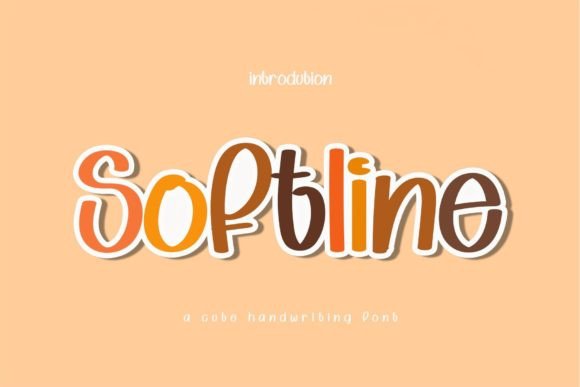
Softline is more than just a decorative typeface; it is a versatile script amp designed to add a romantic and authentic feel to any project. Whether you are designing greeting cards, crafting headlines, or creating product labels, this creative font bridges the gap between personal connection and business professionalism. It allows independent creators to tell their story without relying on generic templates that make every shop look the same.
Why Your Business Needs a Signature Script Font
In the world of branding, typography speaks before you even say a word. A well-chosen font establishes trust immediately. When potential customers see your logo, packaging, or social media graphics, they are subconsciously assessing your attention to detail. Using a free, low-quality font can signal carelessness, whereas investing in a premium font like Softline demonstrates that you value quality.
This modern typography style brings a human element to your digital and physical presence. Unlike rigid block letters, a handwritten font mimics the natural flow of a pen, suggesting that real people are behind the brand. This is particularly crucial for boutique owners, café managers, and service providers who rely on personal relationships. Softline helps you convey approachability and elegance simultaneously, making your business feel accessible yet sophisticated.
Real-World Applications for Small Businesses
The versatility of Softline makes it suitable for almost every touchpoint in your customer journey. Here is how I have integrated this typeface into various aspects of my operations:
- Logo Design: For a bakery or a candle maker, a custom logo using Softline feels artisanal and unique. It sets the tone for the entire brand, suggesting that the products inside are crafted with love.
- Packaging and Product Labels: When customers receive a package, the label is their first interaction with your brand's personality. Softline looks beautiful on stickers, hang tags, and product boxes, turning simple packaging into a memorable unboxing experience.
- Social Media Graphics: On platforms like Instagram and Pinterest, visuals need to stop the scroll. Using Softline for headlines on your posts creates a cohesive aesthetic that stands out against standard sans serif fonts. It adds a touch of romance to promotional offers or new product announcements.
- Menus and Flyers: A café menu or a local event flyer designed with this display font invites customers in. It transforms dry information into an engaging invitation, making the text easier to read and more enjoyable to scan.
- Digital Ads and Website Banners: In web design, headlines need to be impactful. Softline works perfectly as a hero text on landing pages, guiding visitors' eyes to your call-to-action buttons while maintaining a friendly vibe.
Maintaining Readability Across Different Formats
While Softline is expressive, practicality remains paramount for business owners. One of the biggest challenges with script fonts is ensuring they remain legible at different sizes. I have found that Softline strikes an excellent balance between artistic flair and clarity. However, testing is essential.
Before committing to a full rebrand, print out samples of your favorite designs. Check how the font looks on a tiny product label versus a large website banner. Does the handwriting style blur when reduced? Is it still readable on a mobile screen thumbnail? For smaller details like ingredients lists or legal disclaimers, it is often best to pair Softline with a highly readable sans serif font. This ensures that while your headline captures attention, the critical information remains clear and easy to digest.
Mastering Font Pairing for Professional Results
Using a single font for everything can sometimes feel overwhelming or chaotic. The key to a polished brand identity is knowing when to let Softline shine and when to step back. Think of it as a team effort. Softline acts as the star performer, drawing the eye, while supporting typefaces provide stability.
For a clean and modern look, pair Softline with a geometric sans serif font. This combination works wonders for beauty brands or tech startups that want to appear trendy but grounded. The sharp lines of the sans serif font contrast beautifully with the flowing curves of the script, creating visual interest without clutter. Alternatively, pairing it with a classic serif font can evoke a sense of tradition and reliability, perfect for wedding planners, bookstores, or high-end coaching businesses.
When designing marketing materials, use Softline primarily for headlines, logos, and short phrases. Use your secondary font for body copy, paragraphs, and data-heavy sections. This hierarchy guides the reader through your content logically, ensuring your message is received clearly.
Testing Before You Commit
I cannot stress enough the importance of testing your chosen typeface across multiple scenarios. A font might look stunning on a computer screen but fail miserably when printed on textured paper or embroidered on merchandise. Create a mockup of your most common assets—your business card, your Instagram post template, and your product tag—and review them side by side.
Ask yourself if the font reflects your target audience. If you are targeting a luxury market, does Softline feel elegant enough? If you are selling to families, is it too formal? Get feedback from colleagues or even trusted customers. Their perspective can help you determine if the font aligns with the values you want to project.
Understanding Commercial Licensing
As you integrate Softline into your business operations, remember to respect intellectual property rights. Not all fonts are created equal regarding usage rights. Ensure you purchase the correct commercial license if you plan to use the font on products for sale, such as t-shirts, mugs, or packaging. Some licenses cover digital downloads and client work, while others may require additional fees for extensive merchandising.
Checking the terms of use protects you from legal issues down the road and supports the designers who create these valuable design assets. By securing the proper license, you gain peace of mind knowing that your branding is legally sound and ready to scale as your business grows.
Ultimately, Softline offers a powerful tool for entrepreneurs who want to infuse their brand with personality. It helps you stand out in a sea of generic designs, creating a recognizable and trustworthy image that resonates with your customers. Whether you are launching a new startup or refreshing an established business, the right font can make all the difference in how your story is told.